Thinking about building a custom home in The Ridges? It is easy to picture the views, the architecture, and the finished lifestyle, but the path from idea to move-in is more layered than many buyers expect. If you are planning a custom build in this part of Summerlin, you need to understand lot scarcity, design rules, and Clark County’s approval process before you commit. Let’s dive in.
Why The Ridges Is Different
The Ridges is not just another luxury neighborhood with large homesites. It is a 793-acre, guard-gated Summerlin village shaped by a specific identity that includes Bear’s Best Las Vegas, Club Ridges, and a strong desert-contemporary design language.
Its setting also matters. The village sits on elevated land along Summerlin’s western edge, with views toward the Las Vegas Valley and Red Rock. According to Summerlin, protected land to the west means no future development will occur in that direction, which can be an important factor if view preservation and privacy are high on your list.
Start With Lot Reality
If you are imagining a straightforward land purchase followed by a custom build, this is the first reality check: Summerlin’s current custom-homesites information states that custom homesites in The Ridges are sold out. That does not mean your plans are impossible, but it does mean your strategy needs to be sharper.
In practical terms, you may be weighing two very different paths:
- Acquiring a property with an existing custom homesite or teardown potential
- Purchasing a completed luxury resale instead of building from scratch
- Expanding your search to other custom opportunities in the broader Summerlin area
This is where an early build-versus-buy conversation becomes valuable. In a market defined by scarcity, the right opportunity may depend as much on timing and inventory access as it does on design vision.
Understand The Ridges Design Standards
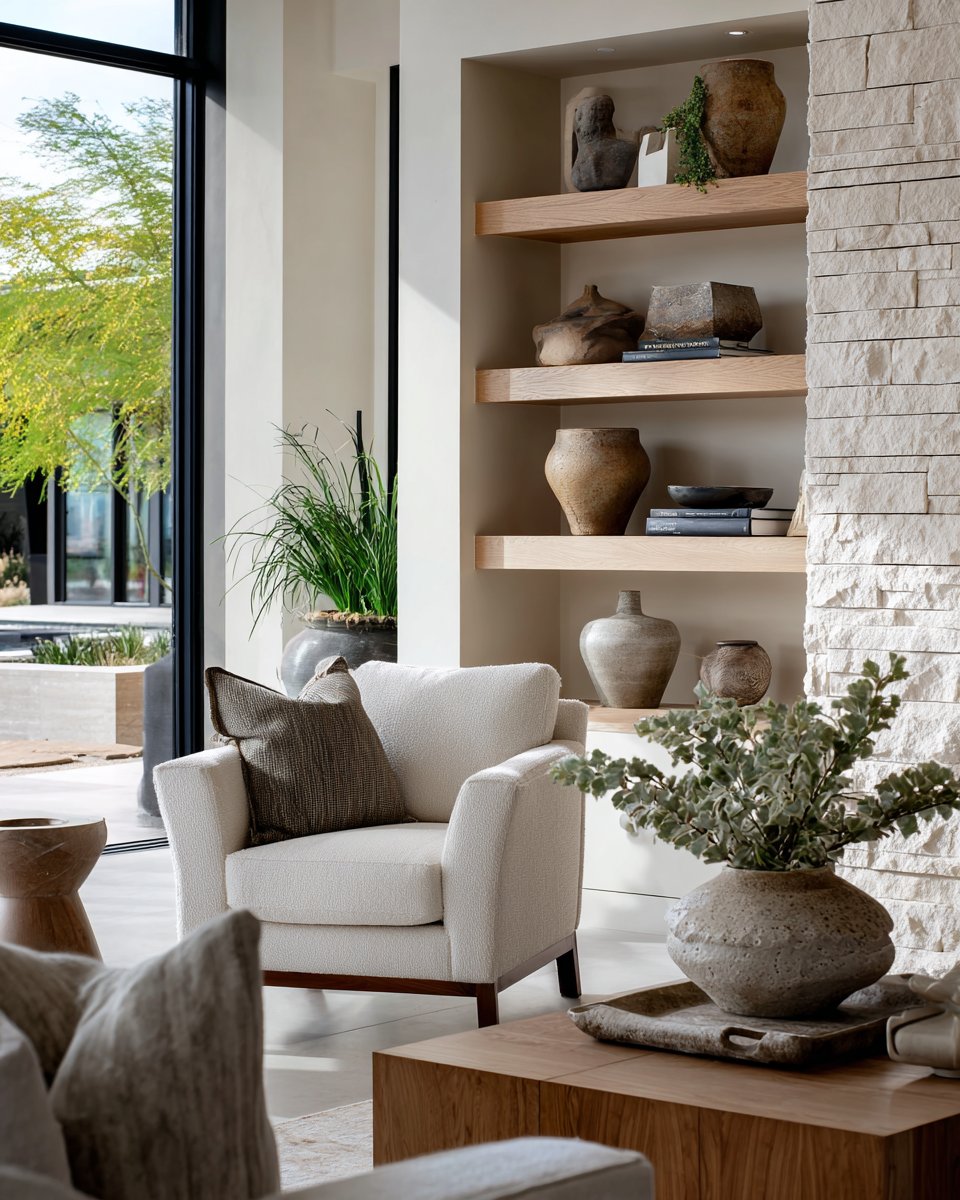
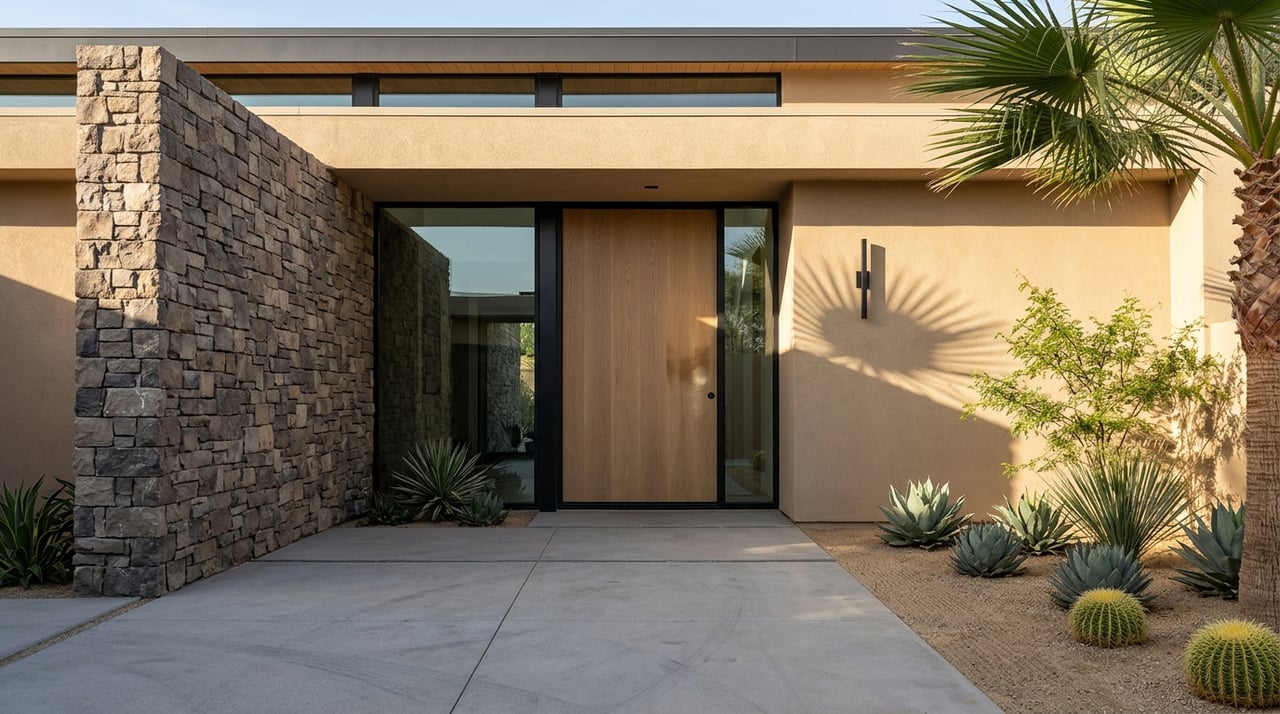
The Ridges is known for a desert contemporary aesthetic. Summerlin describes the signature look with horizontal rooflines and colors intended to blend into the natural environment, which means your future home needs to feel consistent with the setting rather than compete with it.
That design direction carries real planning consequences. This is not the kind of neighborhood where you choose a plan first and worry about fit later. Architecture, massing, materials, and outdoor spaces all need to work together from the start.
Outdoor Living Is Part of the Design
Summerlin’s placemaking standards require at least 15% of a home’s design to be devoted to outdoor living space. In a view-driven community like The Ridges, that makes sense, but it also affects your layout, budget, and how you use the site.
Covered patios, courtyards, terraces, and transition spaces are not just nice extras here. They are part of what makes a design feel complete and aligned with the community.
360-Degree Design Matters
Summerlin also requires 360-degree design, meaning all four sides of the home must meet visual standards. That is especially important in an elevated neighborhood where homes can be seen from nearby streets, neighboring lots, and rear vantage points.
For you, this means side and rear elevations deserve just as much attention as the front facade. Rooflines, window placement, privacy walls, and material transitions all need to look intentional from every angle.
Expect a Multi-Step Review Process
A custom home in The Ridges typically needs to satisfy both community design expectations and county permit requirements. Summerlin states that its Design Review committee oversees site plans, grading, drainage, landscape, architecture, colors, and cutsheets.
That is a broad review scope, and it tells you something important: approvals are about more than aesthetics. Your plans need to make sense visually, technically, and functionally on the lot.
Key Design Questions to Solve Early
Before full drawings move forward, it helps to answer a few core questions:
- How will the home capture key views?
- How will indoor and outdoor spaces connect?
- Where do privacy needs affect window placement and yard design?
- How will the roofline and massing sit on the lot?
- How will the rear and side elevations look from surrounding viewpoints?
These questions are especially important in The Ridges because of the neighborhood’s topography and design standards. When they are handled early, the design process tends to move more smoothly.
Clark County Permits Are a Major Part of Planning
On the county side, Clark County requires a building permit for construction and related work, and plan submittals must be complete and processed electronically through the Citizen Access Portal. For single-family residences, plans generally must be prepared by a Nevada-registered design professional, a Nevada-licensed contractor, or an owner-builder using the state’s exemption rules.
This is one reason custom-home planning should start long before you expect to break ground. The paperwork, professional coordination, and technical review all take time.
What County Review Covers
Clark County’s review for a single-family residence can include:
- Zoning
- Lot legality
- Setbacks
- Building height
- Parking
- Landscaping
- Walls and fences
- Lot coverage
- Recorded easements
- Right-of-way dedication
- Drainage
- Off-site improvement requirements
That list is worth paying attention to because it shows how much of your build depends on lot feasibility. A lot can look ideal on paper and still present design or permitting challenges once the details are reviewed.
Current Code Standards Matter
As of January 11, 2026, new permit applications in Clark County must comply with the 2024 building codes and the 2024 IECC. If you are planning a build now, your team should be designing within that current code framework.
This is another reason to work with experienced local professionals. Code compliance is not something you want to discover late in the process.
Build the Right Team Early
Summerlin recommends a custom-home team built around an architect, a general contractor, and an interior designer, ideally professionals who have worked together before. That is a smart baseline, but many custom projects also require additional specialists.
Depending on the property and scope, your team may also include a civil engineer, surveyor, geotechnical consultant, landscape architect, and, where required, a Clark County-approved quality assurance agency for special inspections. The goal is not to make the process feel bigger than it needs to be. The goal is to get the right expertise in place before costly revisions happen.
Who You May Need
Your custom-home team may include:
- Architect
- General contractor
- Interior designer
- Civil engineer
- Surveyor
- Geotechnical consultant
- Landscape architect
- Special inspection professionals, when required
For luxury buyers, this team-first approach usually saves time and stress. It also helps protect the design vision while keeping the project grounded in local requirements.
Plan for More Than the House Itself
When buyers budget for a custom build, they often focus on the structure and interior finishes first. In The Ridges, it is just as important to plan for site-related and exterior costs that can meaningfully affect the final number.
That may include grading, retaining or privacy walls, outdoor living areas, landscape design, and finish upgrades needed to meet your expectations. Since design review and county review both look closely at how the home sits on the lot, these are not side issues. They are central parts of the project.
Know the Likely Timeline Pressure Points
Clark County’s stated first-review goal for a custom single-family residence is 21 days, with revisions targeted at 10 days. Grading approvals can take roughly one to two weeks depending on whether a grading agreement is in place or bonds are posted, and corrections can add time.
These are targets, not guarantees, and they are only one part of the timeline. Community design review, revisions, consultant coordination, and decisions about finishes or outdoor spaces can all extend the schedule.
Delays Often Come From Early Gaps
Clark County notes that getting the information right at the beginning usually means fewer delays and correction cycles. That is one of the best planning lessons for buyers in The Ridges.
If you rush into architectural drawings without fully understanding the lot, the neighborhood standards, and the county requirements, you increase the odds of revisions later. Front-loaded due diligence is almost always the better path.
Build or Buy in The Ridges?
Because custom homesites are sold out, some buyers enter The Ridges assuming they will build, then realize a luxury resale may be the more practical fit. Others are committed to customization and are willing to wait for the right opportunity tied to an existing lot position or property acquisition.
There is no one-size-fits-all answer. The right move depends on your timeline, how specific your design goals are, and how much flexibility you have around inventory and approvals.
A thoughtful comparison should consider:
- How important full customization is to you
- Whether you want to manage a longer design and permit process
- How limited lot opportunities may affect timing
- Whether a completed home already offers the layout, views, and finishes you want
In a high-demand enclave like The Ridges, the smartest first step is often not choosing a floor plan. It is choosing the right strategy.
How a Local Advisor Helps
In a niche market like The Ridges, good advice is about more than finding a property. You need someone who understands the difference between a beautiful lot and a buildable one, the realities of sold-out custom inventory, and how neighborhood standards can shape your options.
That kind of guidance can help you evaluate opportunities earlier, ask better questions before committing, and compare a custom-build path against high-end resale options across Summerlin. When the stakes are high, local process knowledge matters.
If you are exploring a custom home strategy in The Ridges or weighing it against other luxury opportunities in Summerlin, Jennifer Debough can help you plan your next step with clear, concierge-level guidance.
FAQs
What should you know first about building in The Ridges?
- The biggest first step is understanding that Summerlin states custom homesites in The Ridges are sold out, so your plan may involve finding a property tied to an existing homesite opportunity or comparing custom options with luxury resale homes.
What architectural style is expected in The Ridges?
- Summerlin describes The Ridges aesthetic as desert contemporary, with horizontal rooflines and colors that blend into the natural environment.
What does Summerlin review for a custom home in The Ridges?
- Summerlin states its Design Review committee oversees site plans, grading, drainage, landscape, architecture, colors, and cutsheets.
What county approvals are required for a custom home in Clark County?
- Clark County requires a building permit for construction and related work, and plan submittals must be completed electronically through the Citizen Access Portal.
What professionals are commonly needed for a custom home build in The Ridges?
- A typical team may include an architect, general contractor, interior designer, civil engineer, surveyor, geotechnical consultant, landscape architect, and special inspection professionals when required.
How long can permit review take for a custom home in Clark County?
- Clark County’s stated first-review goal for a custom single-family residence is 21 days, with revisions targeted at 10 days, though corrections and grading issues can extend the timeline.