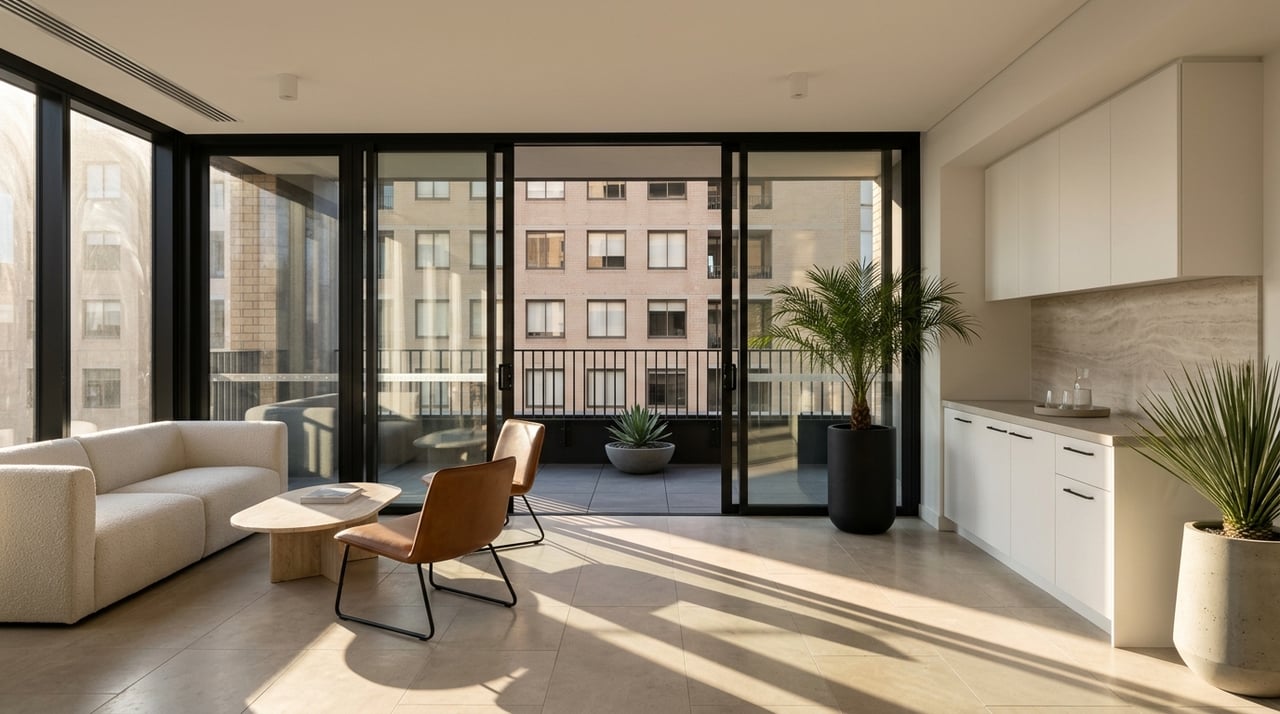
Looking at luxury condos near the Las Vegas Strip can feel exciting right up until you realize that not every building works the same way. A sleek tower, a strong view, and hotel-style amenities may look similar on the surface, but the ownership rules behind each property can be very different. If you want a condo that truly fits how you plan to live, visit, or rent, you need to look past the finishes and into the details. Let’s dive in.
Start With the Ownership Model
The first decision is not usually the floor plan or even the view. Near the Strip, the bigger question is whether you are buying into a residential high-rise condo, a condo-hotel, or a more hybrid resort-style product.
That matters because Nevada disclosure guidance makes it clear that these ownership types can come with different rules, fees, and use restrictions. Governing documents may limit how you occupy the unit, lease it, or share it with guests. In many cases, the legal structure matters just as much as the location.
If your goal is a primary residence, a traditional residential tower may feel more predictable. If you want resort services and close access to gaming, dining, and entertainment, a hotel-style product may be more appealing. The right answer depends on how you plan to use the property day to day.
Know Rental Rules Before You Fall in Love
Many buyers assume a condo near the Strip can easily be used for short stays or Airbnb-style rentals. That is not something you should ever assume.
Nevada HOA guidance says transient commercial use means occupancy for less than 30 consecutive days. That type of use is only allowed when the governing documents permit it, the board approves it, the zoning is correct, and any local license is obtained.
Local rules add another layer. In the City of Las Vegas, a short-term residential rental under 31 days must be owner-occupied, limited to three bedrooms, spaced at least 660 feet from another short-term rental and 2,500 feet from a resort hotel, and allowed by zoning and HOA rules. In unincorporated Clark County, renting a residential property for fewer than 31 days without a short-term rental business license is illegal.
The practical takeaway is simple: a Strip-area address does not automatically mean rental flexibility. If occasional income is part of your plan, you need to verify the exact use rights for that specific building and unit.
Compare Residential and Resort-Style Living
Luxury condo buildings near the Strip often appeal to buyers for very different reasons. Some prioritize privacy and structure, while others lean into convenience, service, and energy.
Here is a simple way to think about the difference:
| Ownership Style | Often Best For | What to Check Closely |
|---|---|---|
| Residential high-rise condo | Full-time living, part-time use, more defined resident rules | Lease minimums, parking, guest access, board approval, amenity rules |
| Condo-hotel or resort-style product | Buyers who want hotel services and immediate entertainment access | Rental structure, shared fees, operator agreements, use restrictions |
| Hybrid ownership model | Buyers seeking flexibility with resort features | Title structure, rental permissions, governing documents, added complexity |
This is where a building’s personality really starts to matter. Two properties can both look luxurious online, but one may function like a residence while the other operates more like a hospitality product.
What Key Strip-Area Buildings Show You
Veer Towers: Strong Residential Structure
Veer Towers is one of the clearest examples of a true residential high-rise condo near the Strip. The project includes 670 residential condominiums in two 37-story towers next to the Crystals retail district, along with a rooftop infinity-edge pool, whirlpool spa, fitness center, media room, resident lounges, concierge support, and valet-only parking.
For buyers, the bigger story is the building control. Its 2025 leasing package requires a six-month minimum lease, a full-unit lease, written documentation, and board approval. If you want a modern CityCenter location with clearly defined resident rules, this is a strong benchmark.
The Martin: Residential Living Close to Action
The Martin offers a more residential feel while keeping you close to the Strip. It is located at 4471 Dean Martin Drive, and the building highlights dramatic Strip and CityCenter views along with amenities such as a pool, spas, library lounge, fitness center, yoga, and service-oriented living.
Its location is a major part of the appeal. The building describes itself as 585 steps from the Strip and CityCenter, which makes it attractive if you want central access without living inside a hotel tower.
Park Towers: Privacy and Low Density
Park Towers is the privacy-focused option in this group. It sits one mile east of the Strip and includes 84 residences across two twenty-story towers.
Amenities include direct private elevator entry, 24-hour access control, valet, formal gardens, a pool, cabanas, tennis, a screening room, a wine cellar, a business center, and spa and salon facilities. If your top priorities are discretion, lower density, and a more house-like experience, this type of property can stand apart from more casino-adjacent towers.
The Signature at MGM Grand: Resort Services First
The Signature at MGM Grand is the clearest hotel-style ownership example here. It includes three towers with 1,750 suites and connects to MGM Grand through an indoor walkway.
The property offers private heated pools and concierge services that can arrange restaurant reservations, tickets, cabanas, and transportation. If you want resort convenience and immediate access to Strip entertainment, this style of ownership may fit your lifestyle better than a traditional residential tower.
The Jockey Club: Flexible but More Complex
The Jockey Club is a useful example of a hybrid product. It sits in the center of the Strip between Bellagio, The Cosmopolitan, and CityCenter, and offers suites with full kitchens and a 24-hour resort desk.
Its history adds complexity. The property began as a whole-ownership condominium resort, later added timeshare intervals, and still includes 78 whole-ownership condos that can be used year-round, as vacation homes, or rented nightly, weekly, or monthly. That flexibility may appeal to some buyers, but it also makes document review even more important.
Match the Condo to Your Real Goal
The best luxury condo near the Las Vegas Strip is not just the prettiest one. It is the one whose rules, amenities, parking, and access patterns match how you actually want to use it.
If You Want a Primary Residence
Focus on privacy, parking, guest access, elevator security, and how much noise or foot traffic the building tends to tolerate. In the examples above, Park Towers and Veer lean more residential. The Martin also supports a residential lifestyle while staying closer to the center of the action.
If you plan to live in the condo full time, daily function matters more than a dramatic listing photo. Ask yourself how the building will feel on an average Tuesday, not just on a holiday weekend.
If You Want a Part-Time Las Vegas Home
Walkability and service may matter more than total square footage. The Martin, Veer, and The Signature are a natural comparison set because each gives you strong access to major Strip destinations in a different way.
The Martin emphasizes closeness without being in a hotel environment. Veer emphasizes adjacency to CityCenter and Crystals. The Signature emphasizes indoor connection to MGM Grand and a resort-service atmosphere.
If You Want Rental Flexibility
This is where buyers need to slow down and verify everything. The key question is whether the ownership structure actually allows your intended use.
The Jockey Club shows that some resort-style properties may allow more flexible rental patterns, but that flexibility can come with added structural complexity. Before you rely on any rental strategy, you should review the governing documents, management agreements, and fee structure carefully.
Review the HOA Package Like a Pro
Near the Strip, the HOA packet deserves the same attention as the kitchen finishes. Nevada disclosure guidance says the resale package for a common-interest community or condominium hotel should include key documents such as the declaration, bylaws, rules, assessments, operating budget, financial statement, reserve summary, unsatisfied judgments, and pending legal actions.
Buyers generally have five calendar days to cancel after receiving a resale package. For new units, purchasers should receive a public offering statement with information on development rights, proposed improvements, mechanical and electrical installations, and fees.
This paperwork tells you what ownership will actually feel like. It can reveal lease minimums, board approval requirements, reserve strength, litigation concerns, or limitations that affect your plans.
Questions To Ask Before You Write an Offer
Before you move forward on a luxury condo near the Las Vegas Strip, make sure you get clear answers to a few practical questions:
- Is the property a residential condo, condo-hotel, or hybrid ownership product?
- What are the minimum lease terms?
- Are short-term rentals allowed by the governing documents?
- Does the building require board approval for tenants or leases?
- What parking setup comes with the unit?
- How are guest access and security handled?
- What do the current budget and reserve summary show?
- Are there any pending legal actions or unsatisfied judgments?
- Are there extra fees or operator agreements tied to resort-style use?
These questions can protect you from buying a beautiful unit that does not work for your real-life goals.
Why Guidance Matters in This Search
Luxury condo shopping near the Strip is rarely just about finishes or location. It is about aligning the property with your lifestyle, timeline, and long-term plan.
That is where an experienced, detail-oriented advisor can make a real difference. When you are comparing ownership models, reading disclosures, and weighing use restrictions, local insight helps you move forward with more clarity and less guesswork.
If you are considering a luxury condo near the Las Vegas Strip and want a polished, consultative approach to the search, connect with Jennifer Debough for a complimentary consultation.
FAQs
What is the difference between a residential condo and a condo-hotel near the Las Vegas Strip?
- A residential condo is typically designed for resident living with more defined HOA rules, while a condo-hotel or resort-style product may include hotel services, added fees, and different use restrictions.
Can you use a luxury condo near the Las Vegas Strip as a short-term rental?
- Not always. Nevada HOA guidance says transient use under 30 days must be allowed by the governing documents, approved when required, properly zoned, and licensed if local rules require it.
What should you review in an HOA package for a Las Vegas luxury condo?
- You should review the declaration, bylaws, rules, assessments, operating budget, financial statement, reserve summary, and any information about pending legal actions or unsatisfied judgments.
Which luxury condo buildings near the Las Vegas Strip feel more residential?
- Based on the examples in this guide, Veer Towers, The Martin, and Park Towers lean more residential, while The Signature at MGM Grand and The Jockey Club reflect more resort-oriented or hybrid models.
Why do lease minimums matter in a Strip-area luxury condo?
- Lease minimums shape how flexible the property is for owners and tenants. For example, Veer Towers requires a six-month minimum lease, which signals a more controlled residential environment.